DOJ Healthcare Fraud Investigations…
14 Enforcement Trends Every Healthcare Provider Should Understand
I. Criminal Intent vs. Documentation Errors
One of the most misunderstood aspects of healthcare fraud investigations is the distinction between criminal conduct and administrative mistakes. Documentation deficiencies, coding errors, compliance oversights, or poor clinical decisions may lead to audits, repayment demands, or licensing scrutiny, but they do not automatically amount to criminal behavior.
For unlawful prescribing cases, federal prosecutors generally must establish that prescriptions were issued outside a legitimate medical purpose and beyond accepted professional practice standards. In healthcare fraud matters, investigators must demonstrate that a provider knowingly engaged in or participated in a scheme to obtain improper reimbursement. The key issue is often intent rather than the existence of an isolated error.
II. AI Data Analytics Are Driving Modern Enforcement

Today’s healthcare investigations frequently begin with data rather than complaints. Agencies use prescribing trends, billing patterns, utilization rates, and reimbursement data to identify providers whose activity differs from peers.
While unusual statistics may attract attention, they rarely tell the whole story. Patient populations, specialties, geographic location, and treatment complexity can significantly influence provider metrics.
III. Prescription Monitoring Programs Have Expanded Oversight
Prescription Drug Monitoring Programs (PDMPs) have become a central enforcement tool in controlled substance investigations. Regulators increasingly analyze prescribing volumes, patient overlap, and pharmacy utilization patterns when evaluating providers.
Regular review of prescribing data can help physicians identify trends before they become regulatory concerns.
IV. Red Flags Often Trigger Additional Scrutiny
Certain patient behaviors are commonly viewed as warning signs during controlled substance investigations. Examples include requests for specific medications, evidence of doctor shopping, frequent early refill requests, or extensive travel for treatment.
Although these factors can justify additional review, they should always be evaluated within the broader clinical picture and documented appropriately.
V. Medicare and Medicaid Compliance Remain High-Priority Targets
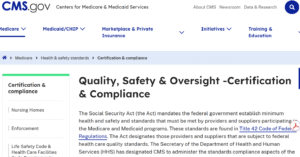
Federal healthcare programs continue to be a major focus of enforcement efforts. Billing practices involving evaluation and management (E & M) services, medical necessity requirements, modifier usage, and reimbursement documentation are regularly reviewed during audits and investigations.
Strong compliance infrastructure is often the first line of defense against regulatory challenges.
VI. Medical Necessity Documentation Is Under the Microscope
Many healthcare fraud investigations ultimately come down to whether the medical record supports the services performed. Even clinically appropriate treatments can become difficult to defend if documentation fails to clearly explain the rationale for care.
DME EXAMPLE:
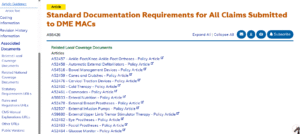
Providers should ensure that treatment plans, patient assessments, and follow-up records accurately reflect clinical decision-making. Documentation.
VII. Statistical Outliers Do Not Always Indicate Fraud
Government agencies often identify providers who prescribe more medications or perform more procedures than their peers. However, volume alone rarely establishes misconduct.
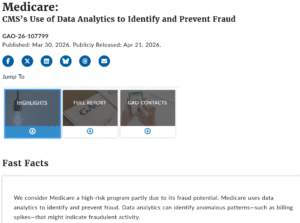
Practices that serve unique patient populations or specialize in complex conditions may naturally generate higher utilization rates than traditional benchmarks suggest.
VIII. Early Investigation Indicators Should Not Be Ignored
- Subpoenas, audit requests, payer inquiries, data requests, site visits, and investigator interviews can all signal broader government interest in a provider or practice.
- Responding proactively to these early warning signs can help organizations assess risk and prepare appropriately.
IX. Employee Conduct Can Create Organizational Exposure
Healthcare investigations increasingly focus on the actions of billing personnel, office managers, coders, and clinical support staff. Weak internal controls or inadequate training can expose an entire organization to compliance concerns.
A culture of accountability and compliance helps reduce organizational risk.
X. Witness Interviews Can Shape an Investigation
Patients, former employees, referral sources, and vendors frequently become sources of information during federal investigations. Their statements may influence investigative decisions long before formal allegations are made.
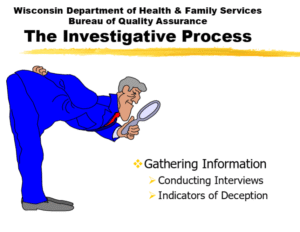
Maintaining accurate records and internal documentation can help clarify facts when questions arise.
XI. DEA Registration Issues Can Affect Practice Operations
For providers who prescribe controlled substances, maintaining DEA registration is essential for patient care continuity. Investigations involving prescribing practices can raise concerns about registration status and prescribing authority.
Understanding DEA requirements and maintaining strong compliance practices can help mitigate operational disruptions.
Compliance Is the Foundation of Your Practice
DEA registration requirements can be complex, and even minor errors or missed updates can disrupt a provider’s ability to prescribe and generate revenue. Proactive compliance is essential to keeping your practice operational and avoiding costly interruptions.
The Veracity Group helps healthcare organizations navigate provider enrollment and regulatory requirements with confidence. By simplifying compliance management, we allow providers to focus on delivering quality patient care.
Don’t wait for a prescription rejection or regulatory issue to uncover a problem. Regular audits and expert guidance can help protect your practice and maintain business continuity
XII. Financial Pressure Is Often a Consequence of Enforcement Actions
Healthcare investigations can create significant financial strain through legal costs, revenue disruptions, reimbursement holds, and increased compliance obligations.
Organizations that proactively address compliance risks are generally better positioned to withstand regulatory scrutiny and operational challenges.
XIII. Internal Compliance Programs Matter More Than Ever
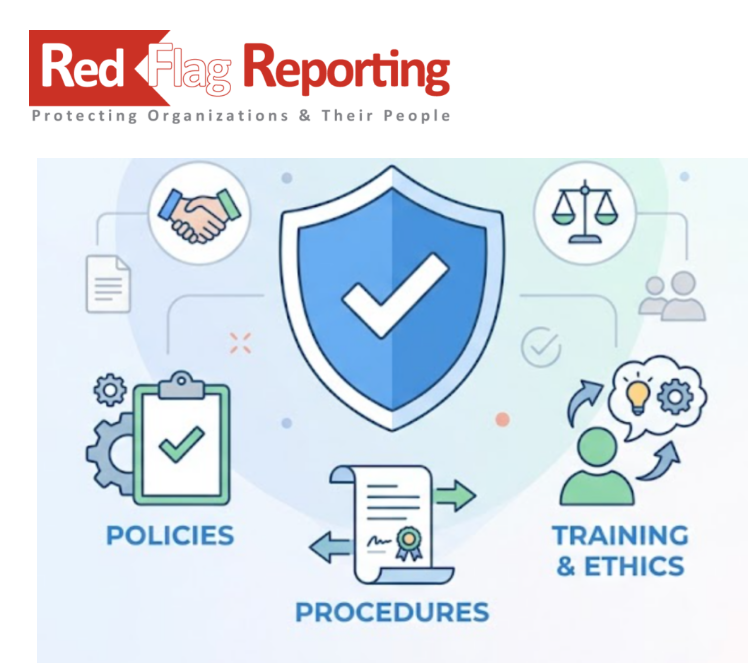
Federal agencies increasingly evaluate whether a practice has implemented effective compliance measures. Routine audits, staff education, policy reviews, and monitoring activities may help demonstrate a commitment to regulatory compliance.
A well-documented compliance program can also identify issues before they escalate into larger concerns.
XIV. Proactive Risk Management Is Essential
The healthcare enforcement environment continues to evolve as regulators gain access to more sophisticated data analytics and monitoring tools. Providers who invest in compliance, documentation quality, staff training, and risk assessments are often better prepared to navigate audits, investigations, and regulatory reviews.
Protecting Your Practice in an Evolving Regulatory Environment
Healthcare fraud enforcement is becoming increasingly data-driven, with regulators relying on billing analytics, prescription monitoring programs, and documentation reviews to identify potential concerns. Physicians, healthcare organizations, and life sciences professionals can reduce risk by prioritizing compliance, maintaining thorough records, and implementing strong internal controls that support quality patient care.