

First Step Act 2026: BOP Time Credits and Early Release: In Baby Steps
Explore 2026 BOP First Step Act changes, federal prison time-credit calculations, medical absences, PATTERN assessments, and potential prerelease options.
First Step Act Time Credits: New BOP Rules and Questions That Remain in 2026
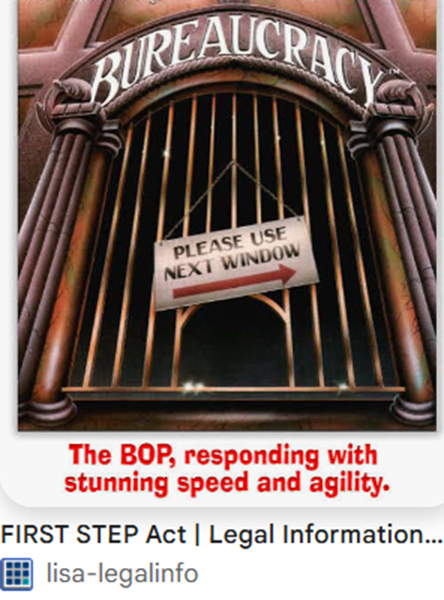
Federal prisoners may have new opportunities to earn First Step Act (FSA) time credits earlier under a Bureau of Prisons (BOP) rule change that took effect September 30, 2026. The change addresses a longstanding concern: eligible individuals could spend weeks or months in local detention facilities after sentencing without earning credits because they had not yet arrived at their assigned federal prison.
Although the revised rule addresses this delay, other questions about First Step Act credit calculations and eligibility remain important for prisoners preparing for release.
BOP Changes When Eligible Prisoners Can Earn Credits
Federal prisoners do not always enter a designated prison immediately after sentencing. Some are taken into custody in court and remain in county jails or federal detention facilities while the government arranges transportation and the BOP completes its classification and placement process.
Previously, the arrival date at a designated BOP institution could determine when an eligible prisoner began earning First Step Act credits. As a result, individuals with similar sentences could have different credit-earning timelines simply because their transfers took different amounts of time.
The BOP’s revised rule removes the requirement that prisoners must first arrive at their designated facility to begin earning credits. Published on August 31, 2026, the interim final rule became effective September 30, 2026.
The practical effect depends on each prisoner’s circumstances and the applicable eligibility requirements.
How Federal Prisoners Earn First Step Act Credits
The First Step Act, signed into law on December 21, 2018, created incentives for eligible federal prisoners to participate in approved programs and activities intended to reduce the risk of reoffending.
Qualifying individuals may earn 10 days of time credits for every 30 days of successful participation. Those who meet additional statutory criteria related to minimum or low recidivism risk may qualify for an additional five days.
Earned credits may help eligible prisoners transition to prerelease custody, including a residential reentry center (halfway house) or home confinement, or qualify for an earlier transfer to supervised release, subject to applicable legal restrictions.
However, earning credits does not automatically guarantee early release or placement at home. Eligibility, program participation, risk assessments, and statutory limitations all influence how credits can be applied.
Why First Step Act Credit Calculations Can Be Complicated
The BOP relies on the PATTERN risk assessment system to evaluate recidivism risk and help guide program assignments and time-credit eligibility.
Since implementation began, questions have arisen about the calculation of credits, the treatment of qualifying activities, and the dates used to determine when credits are earned or applied. Changes in administrative procedures can also make projected release dates difficult for prisoners and their families to interpret.
The Department of Justice Office of Inspector General has reported concerns about aspects of the BOP’s implementation of the First Step Act, underscoring the importance of accurate calculations and consistent administration.
Medical Treatment and Other Absences May Affect Credit Eligibility
A separate concern involves prisoners who temporarily leave their assigned institutions. Hospitalization, certain escorted trips, furloughs, and other changes in status may affect how the BOP determines successful participation under its regulations.
Consider a prisoner who develops a serious medical condition and requires surgery at a community hospital. The absence may be medically necessary and unrelated to misconduct or a refusal to participate in programming. Nevertheless, the prisoner’s circumstances may raise questions about whether credits continue to accrue during that period.
The applicable rules and the prisoner’s specific status must be reviewed before determining whether credits were properly awarded or withheld.
The Additional Five Days: An Important Calculation Issue Fir Families And Persons Waiting Inside
The First Step Act provides an opportunity for certain eligible prisoners to earn an additional five days of credits per 30 days of qualifying participation. This benefit is tied to statutory risk-assessment requirements.
Understanding how the BOP evaluates eligibility for the additional credits is important because the difference can accumulate over time. Prisoners should confirm that their risk classifications and credit calculations accurately reflect their circumstances and the governing rules.
What Prisoners and Families Should Know
First Step Act credits can be an important part of federal sentence and release planning, but they are only one component of the process. The date credits begin accruing, the number earned, and the ways they may be applied can affect a prisoner’s potential transition to community placement.
Individuals approaching or serving a federal sentence should understand the applicable BOP rules, maintain relevant records, and ask their attorneys or appropriate BOP personnel to review unexplained discrepancies in their credit calculations.
Physician Prison Consultants (PPRSUS) provides information and consulting services concerning federal sentencing preparation, BOP procedures, First Step Act time credits, and potential prerelease options. Understanding these issues early can help individuals and their families prepare for the practical realities of federal incarceration and release planning.