


CONGRESSIONAL INVESTIGATIONS: LAWMAKERS ENFORCE ACCOUNTABILITY.
THE DEVIL IS IN YOUR PREPARATION
-
- YOUR ATTORNEY SHOULD HAVE EXPERIENCE IN CASES LIKE YOURS, IN FEDERAL COURT.
- PARDONS AND CLEMENCY ARE NOT GUARANTEED, AND COULD COST YOU $- MILLIONS.
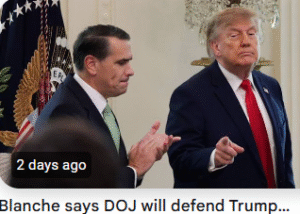
- THE DOJ UNDER THIS ADMINISTRATION IS TRUMP’S DEFENSE TEAM – NOT YOURS.
- ACQUITALS ARE POSSIBLE, BUT YOU MAY NEED TO BECOME A CORROBORATING WITNESS.
- AT SOME POINT YOU MAY HAVE TO DECIDE WITH COUNSEL: TRIAL OR PLEA.
- IF GUILTY, THIS IS NOT THE END OF THE WORLD – YOU CONTROL YOUR FUTURE AND HOW YOUR COURT (JUDGE) WILL LEARN MORE ABOUT WHO YOU ARE, IMPACTING YOUR SENTENCE OR FINANCIAL PENALTY.
- YOUR ATTORNEY SHOULD HAVE EXPERIENCE IN CASES LIKE YOURS, IN FEDERAL COURT.
-
WHO SHOULD BE CONCERNED?
SHOULD ‘GUILTY’ BE IN YOUR FUTURE, YOUR WORLD IS NOT OVER’
-
- YOU CAN INFLUENCE YOUR JUDGE BY HELPING THEM KNOW YOU AS A PERSON
- IF YOU HAVE A MEDICAL RECORD, HEALTHCARE IS NOT GUARANTEED.
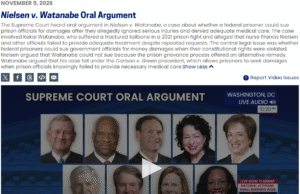
Congressional Investigations & Oversight: How Lawmakers Enforce Government Accountability
Explore the constitutional history of the congressional oath of office, from 1789 debates and Civil War revisions to modern en masse swearing-in ceremonies in the U.S. House.
Congress does far more than debate and enact legislation. One of its most vital democratic functions is conducting
 oversight—investigating federal operations, public controversies, and national crises to evaluate policy, expose corruption, and hold officials accountable.
Although the U.S. Constitution does not explicitly detail the power to investigate, federal courts have consistently upheld congressional oversight as an essential implied component of the legislative branch’s constitutional authority.
The Evolution of Congressional Investigative Power
Since the founding era, lawmakers have relied on inquiries to audit executive performance, uncover misconduct, and inform legislative remedies. To enforce these investigations, the House of Representatives established critical legal mechanisms:
-
Subpoena Power: Directing individuals to produce documents or present testimony.
-
Contempt of Congress: Levying criminal or civil sanctions against non-cooperative witnesses.
Landmark Moments in Congressional History
Throughout American history, committee inquiries have illuminated systemic abuses and reshaped public governance:
| Year | Historical Inquiry | Significance & Impact |
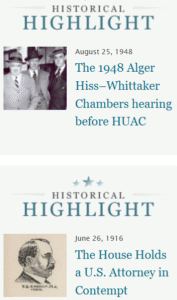
| 1916 | House Contempt Citation | The House cited a U.S. Attorney for contempt, firmly establishing its procedural authority to compel compliance. |
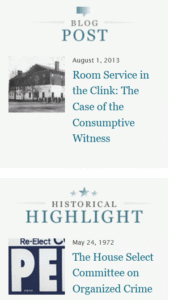
| 1948 | Hiss–Chambers Hearings | The House Un-American Activities Committee (HUAC) interrogated Alger Hiss, bringing Cold War espionage risks into national focus. |
| 1950–1951 | Organized Crime Inquiries | The Special Committee to Investigate Crime in Interstate Commerce exposed widespread syndicate networks across the nation. |
| 1974 | President Ford’s Testimony | President Gerald Ford testified regarding his pardon of Richard Nixon, becoming the first sitting president to appear before a committee since Abraham Lincoln. |
Why Congressional Oversight Matters
Oversight acts as a vital mechanism within the constitutional framework of checks and balances. Effective congressional hearings ensure that federal agencies operate transparently, public funds are spent as intended, and statutory loopholes are addressed through new laws.
However, broad oversight powers are not unlimited: the U.S. Supreme Court has repeatedly ruled that all congressional investigations must serve a legitimate legislative purpose and cannot exist solely to expose private citizens or achieve purely partisan ends.
Explore the constitutional history of the congressional oath of office, from 1789 debates and Civil War revisions to modern en masse swearing-in ceremonies in the U.S. House.
Free Federal Case Consultation
If you’re unsure where to start, begin with a confidential consultation.
Call: 240-888-7778
I personally answer and return all calls.
Whether you are seeking guidance for yourself or a loved one, getting reliable information early can help prevent costly mistakes and reduce uncertainty during an extremely stressful time.