

THE BOP’S GRIEVANCE PROCESS IS DESIGNED TO DENY HEALTHCARE.
YOU NEED A “PHYSICIAN ON YOUR SIDE.”
*
*
**
AN OVERVIEW OF A ‘VERY COMPLICATED AND ARDUOUS PROCESS.’
YOUR COMPREHENSIVE MEDICAL RECORD (IF AVAILABLE) INCLUDED IN YOUR PSR CAN BE A BIG HELP.
F
V
Y
H
Cut-rate care: The systemic problems shaping ‘healthcare’ behind bars
- In correctional healthcare systems, care is secondary to controlling costs and avoiding lawsuits — a problem plaguing both private and public healthcare delivery. What will it take to get people the care they need?
L
WHAT YOU CAN DO.
Administrative Remedy Program, PS 1330.18
PURPOSE AND SCOPE §542.10
**a. Purpose.** The Administrative Remedy Program is designed to provide inmates with a formal process for reviewing issues related to their confinement.
- Grievance systems are designed to help incarcerated individuals address issues like inadequate medical care or harassment.
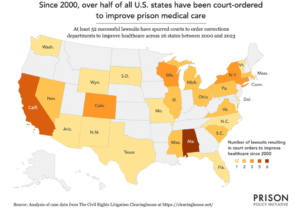
- However, in practice, they often face numerous rules and rarely find success in seeking relief. Many people in the U.S. struggle to access basic medical care, but incarcerated individuals face even greater challenges, including limited choice in doctors and continuity of treatment. Since 2000, about half of state prison systems have been court-ordered to enhance their mental and medical healthcare due to inadequate conditions.
THE ADMINISTRATIVE REMEDY PROCESS, ASSUMPTIONS.
If you are too ill to go through the process, you’re left at the mercy of the BOP, fellow inmates, and ultimately either loved ones with Power of Attorney at home or outside legal counsel. Should you be fit enough to go through the process, the BOP is very strict about following the procedure.
- THE COMPLAINT YOU ARE MAKING, AND WHAT YOU WANT, OR THE RESOLUTION YOU ARE LOOKING FOR MUST BE IDENTICAL FOR ALL FORMS (THE BP-9, 10, 11, AND 2241).
- MAKE 4 COPIES OF EACH: THE BP-10 (SHOULD INCLUDE A COPY OF THE BP-9), THE BP-11 (SHOULD INCLUDE COPIES OF THE BP-9 AND BP-10). THE 2241 (SHOULD INCLUDE COPIES OF THE BP-9, 10, and 11).
- WITH NO COPY MACHINE, HANDWRITTEN IS ACCEPTABLE – EACH EXACTLY THE SAME.
- WITH NO CASE MANAGER (OR NO ONE TO SUPPLY THE FORMS), WRITE AT THE TOP OF EACH BLANK PAGE THAT THERE WAS NO STAFF TO PROVIDE THE FORMS. THIS IS OK.
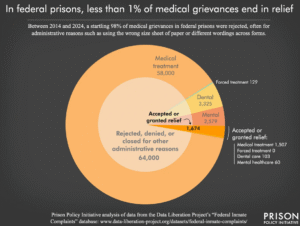
- Dental and Mental Health grievance categories had the highest rates of these rejections: 78% of dental and 83% of mental health grievances were tossed out for administrative reasons, including cases that had reached the appeals stage.
h
L
AN OVERVIEW SUMMARY. DETAILS ARE AVAILABLE VIA THE LINKS BELOW.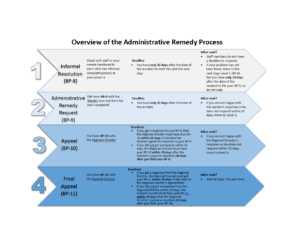
L
The BP-9 Goes to The Warden
- They have 20 calendar days to deny, agree, or take no action. Taking no action is a denial. Now you have to submit the BP-10
The BP-10 Goes to The Regional Director
- They have 30 calendar days to deny, agree, or take no action. Taking no action is a denial. Now you have to submit the BP-11
The BP-11 goes to the BOP General Counsel in Washington, DC
- They have 40 calendar days to deny, agree, or take no action. Taking no action is a denial. Now you can submit a 2241 to the judge.
The 2241 FORM TO THE DISTRICT COURT
- THIS MUST BE THE SAME AND HAVE ATTACHED YOUR BP-9, 10, 11)
This is an arduous process, and some fail to complete it. Most inmates have not been taught this, so they may not even be aware that it is an option. Other inmates may know how, and that could be their lifeline.
P
STEPS FOR THE FAMILY, LOVED ONES, OR SOMEONE WITH POWER OF ATTORNEY (POA).
- FIRST: Maintain an organized file to keep track of your loved one’s conversations and care, including dates, names (of everyone they mention), phone numbers, and steps taken.
Request a detailed written description of the issue, along with contact information for further details.
KEEP COPIES OF EVERYTHING.
- Compose a respectful letter to the warden advocating for your loved one. Certified – Return Receipt.
- Present the facts, describe the issues, suggest possible solutions, and ask for inquiry, communication, and collaboration. Help is what you’re asking for, and you’ll “await” their reply (I look forward to hearing from you).
- If a loved one is in jail and requires medical attention, specific actions must be taken to ensure they receive appropriate care.
- If there is another Grievance, address it separately.
- Request a written response from the Warden concerning your loved one’s medical condition and proposed treatment plan.
- This will provide valuable insights into their health and the measures being taken to address any medical concerns they may have.
- It’s a good idea to contact your loved one’s treating family doctor for additional support.
- This could prove particularly beneficial if you have concerns regarding their current treatment plan or feel they aren’t receiving adequate care while incarcerated. The doctor could provide you with a letter to attach that offers more insight into their condition and suggests ways to ensure they receive optimal care.
- By staying informed and advocating for their medical needs, you can help ensure they get the right care – but no promises.
- You’re creating what I call a Paper Trail, which lets all parties know that someone else is watching
V
File a Formal Complaint or ‘Concern’ directly with the Facility (at BOP.gov) and look up the prison contact information.
1) Find Your Prison Warden, or Warden Assistant, or secretary,
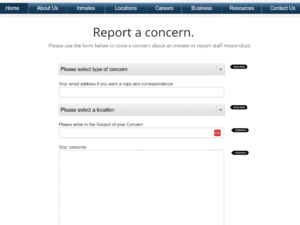
2) Search for a location:[xiii] Inmates → Find an Inmate, or Locations: List of Our Facilities
3) Include the Patient /Inmate Number and Location
4) You can both call and write respectfully.
- Include that you’re concerned about your loved one’s medical needs and their lack of care, and send a letter to the Warden.
- Attaching a letter from their current treating physician to provide additional context may be helpful. Certified—Return Receipt.
5) The BOP is a vast government agency. The new BOP Director Marshall is doing his best to change the culture, so continue your advocacy efforts.
The SEICHE Center for ‘Health and Justice,’
Between Yale’s School of Medicine and Law School, “My dad was ill. Could he survive the prison healthcare system?”
We know when:
- Family members stay engaged; when kids are still close to their moms or dads who are incarcerated, it matters.
- There is a family support system that people return home, or even when they’re inside, that
- The health of the incarcerated person is better,”–Professor Emily Wang, MD, MAS.
D
FIND YOUR REPRESENTATIVE
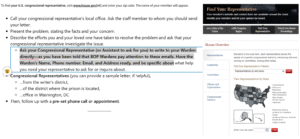
CALL YOUR CONGRESS MEN/WOMAN AND SENATORS
Ask for help; they want to be re-elected.
l