

STATE FELONY: MAKE A GREAT FIRST IMPRESSION – PREPARATION FOR YOUR PRESENTENCE INTERVIEW.
State Sentencing (Each State Has Its Own Process, UTAH Example Below)
MAKING A GREAT FIRST IMPRESSION: In both federal and state courts, preparation is crucial. A strong sentencing packet—comprising letters of support, employment history, and treatment records—can significantly influence the outcome.
- THE CAVEAT. No one can guarantee what any judge, jail, or prison warden may do.
- Judges take into account Presentence Reports, arguments from both the prosecution and defense, and sentencing ranges.
- There is greater flexibility to impose probation, suspend parts of the sentence, or divert the defendant to treatment programs.
- Jury input concludes at the conviction; the sentencing decision is made solely by the judge.
As policies vary by state, access to and use of the Presentence Investigation Report (PSI/PSR) differ across jurisdictions.
d
While routine when submitted in federal cases, a thoughtful and persuasive sentencing presentation can help humanize the defendant and shape the court’s view before sentencing.
*
f
Providing your history, organized and spellchecked, may help the officer before your meeting.
A COMPELLING AUTOBIOGRAPHICAL NARRATIVE OR BACKSTORY
z
Presentence Investigation Interview (PSI), and Presentence Report (PSR): Prepared by a probation officer, the PSI provides the court with a comprehensive overview of the defendant’s background, offense conduct, criminal history, education, employment, health, substance abuse issues, and victim impact information. The report helps the judge determine an appropriate sentence and may include a sentencing recommendation. Because judges often rely heavily on the Report, identifying and correcting inaccuracies before sentencing is critical.
States are governed by state-specific criminal procedure laws and statutes. Primarily utilized by the judge, prosecutor, defense, and state parole boards.
- Childhood
- Community status
- Criminal record
- Education
- Employment history
- Financial situation
- Mental, emotional, and physical health
- Relationships
- Substance abuse history
If you do nothing, your judge will be left to sentence you based solely on your PSR and charges. While nothing is guaranteed, your efforts could help mitigate your sentence.
d
v
FEDERAL JUDGES HAVE AGREED THAT IT WOULD BE VERY HELPFUL IF YOUR BACKGROUND WAS INCLUDED IN YOUR PRESENTENCE REPORT.
s
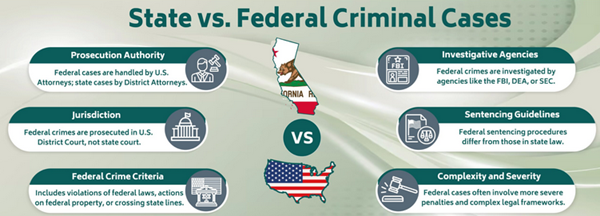
FEDERAL COURTS ARE DIFFERENT
- Federal courts are governed by Federal Rule of Criminal Procedure 32 and federal statute 18 U.S.C. § 3552. Heavily utilized post-sentencing by the Bureau of Prisons (to determine facility security level/programming) and later by federal supervised release officers.
SENTENCING, FEDERAL
1. **Presentence Report (PSR)**: A probation officer interviews the defendant and prepares a report that includes a recommended sentencing guideline range.
2. **Objections**: The defense can challenge any errors in the PSR, such as miscalculations of the guidelines.
3. **Sentencing Memorandum**: The defense submits letters, treatment plans, or other evidence to argue for leniency in sentencing.
4. **Allocution**: The defendant has the opportunity to speak directly to the judge, often to express remorse and present plans for reentry into society.
5. **Evidence Standard**: Judges may consider information based on the “preponderance of the evidence” standard, which allows for the inclusion of hearsay.
s
More Resources,
- Families Against Mandatory Minimums Foundation (FAMM)
- Presentence Investigations
- Democratic Lawmakers Urge Commutation for Federal Cannabis Prisoners Following Rescheduling Initiative
- Justices limit judicial discretion over compassionate release _ Courthouse News Service
- The Federal Carjacking Enforcement Act (S. 1572) would harm communities