

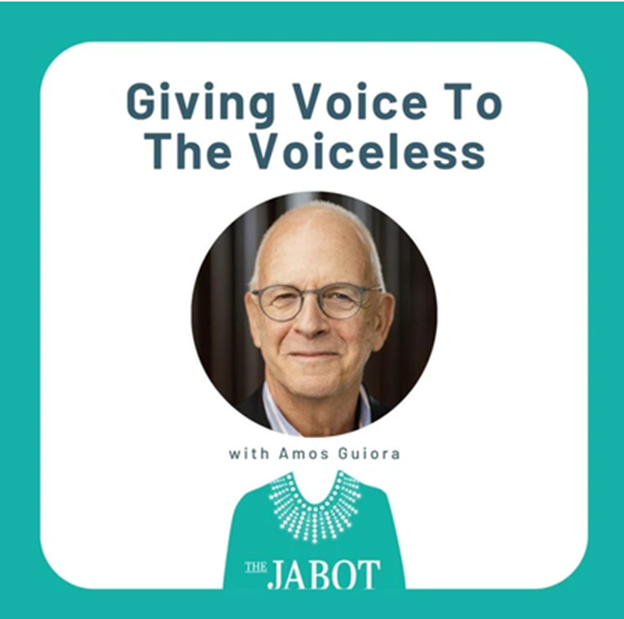
Law Professor Amos Guiora Seeks Accountability for Enablers of Harm
Closing the legal accountability gap.
Above the Law. By Kathryn Rubino on September 11, 2026
Amos Guiora, a law professor at the University of Utah’s S.J. Quinney College of Law and director of the Bystander Initiative, is working to close a major gap in legal accountability. In his book Enablers: Normalizing the Unimaginable, he argues that people who knowingly protect perpetrators and institutions should face criminal consequences.
Key Takeaways
- Enablers Are Different From Perpetrators: Guiora defines enablers as individuals in positions of authority who know harm is occurring, have the power to intervene, but choose to protect leaders or institutions instead of victims.
- A Legal Accountability Gap Exists: While many laws punish bystanders who fail to act, Guiora contends that enablers who actively shield wrongdoing often avoid legal consequences.
- Institutions Rarely Face Meaningful Consequences: Large settlements are typically covered by insurance, leaving decision-makers untouched. Guiora believes personal criminal accountability is necessary for real change.
- The Same Pattern Appears Across Institutions: Cases involving Larry Nassar, the Catholic Church, Jeffrey Epstein, and the October 7 hostage crisis reveal a recurring system in which enablers allow abuse and misconduct to continue.
- Naming Those Responsible: Drawing on interviews with former senior Israeli officials, Guiora identifies key figures and decision-making failures that, he argues, delayed efforts to secure a hostage deal.
Bottom line: Guiora’s work focuses on holding enablers accountable, not just perpetrators, to better protect vulnerable individuals and prevent institutional cover-ups.